
Forsaken: Thirty-Five Years of Epic Doom Metal Majesty (1991–2026)

Part 1 - The Maltese masters who carried the torch of doom across the world
In the vast history of heavy metal, there are bands that emerge from the expected centres of the genre and those that appear from places where few would have predicted their existence. Forsaken belong firmly to the latter category. Emerging from a country more commonly associated with its ancient history, unique cultural heritage and Mediterranean identity than with extreme metal, Forsaken have spent thirty-five years proving that geography is no barrier to artistic ambition, musical conviction and international recognition.

By 2026, Forsaken stand as one of Malta’s most internationally respected musical exports and one of the longest-running active epic doom metal bands in the world. Their journey from the early 1990s underground scene to becoming a revered name among doom metal devotees has been one built on perseverance, uncompromising creativity and an unwavering dedication to their craft. While many bands have come and gone, adapting themselves to changing trends or disappearing when circumstances became difficult, Forsaken have remained true to their original vision: creating majestic, dramatic and emotionally powerful doom metal inspired by history, philosophy, spirituality and the darker aspects of the human experience.
The band’s story is not simply the story of a metal group. It is a story about Malta’s emergence within the international heavy metal community, about musicians who challenged expectations, about friendships forged through adversity and about a unique sound that transformed a small island’s underground movement into a recognised force within the global doom metal scene.
The birth of a vision: from Blind Alley to Forsaken
When Forsaken first began their journey in the early 1990s, Malta’s heavy metal scene was still relatively young. The island had a passionate but small community of rock and metal enthusiasts, with musicians often working against geographical isolation, limited resources and a lack of exposure to international trends. Imported records, music magazines and occasional radio programmes were the main connections Maltese musicians had with the wider metal world.
Against this backdrop, a group of musicians began developing a sound influenced by the giants of heavy metal and progressive music. The band initially formed in 1990 under the name Blind Alley, with the intention of exploring a style that combined the power of traditional heavy metal with progressive elements. However, as the musicians refined their direction, it became clear that a different identity was required—one that reflected the darker, heavier and more epic nature of their compositions.
In 1991, Blind Alley evolved into Forsaken, a name that would eventually become synonymous with Maltese doom metal.
From the beginning, the band’s ambitions extended beyond simply imitating their influences. While the shadow of legendary acts such as Black Sabbath, Candlemass, Solitude Aeturnus and early progressive metal pioneers could be heard in their music, Forsaken sought to develop their own voice. Their approach was built around atmosphere, powerful riffs, dramatic arrangements and lyrical themes that went far beyond the traditional subjects often associated with heavy metal.
The band’s music explored concepts of spirituality, ancient civilisations, moral struggles, human suffering, redemption and existential questions. These themes would become a defining characteristic of Forsaken’s identity throughout their career.
The early line-up featured bassist Albert Bell, guitarist Kevin Azzopardi, vocalist Leo Stivala, keyboardist Cay Schembri and drummer Simeon Gatt, although, like many bands in their formative years, the group would experience several changes before reaching the stable line-up that would define much of their later career.
Requiem: the first chapter

The first official recording that introduced Forsaken to the wider underground metal community was the Requiem demo. Released during the early 1990s, the recording captured a band still developing its identity but already displaying many of the characteristics that would later become their trademarks.
The demo represented an important milestone, not only for Forsaken but for Maltese metal as a whole. At a time when international attention rarely focused on bands from Malta, Forsaken demonstrated that musicians from the island were capable of producing material that could stand alongside underground releases from more established metal nations.
The response to Requiem helped the band gain recognition outside Malta and eventually led to opportunities that would dramatically change their career.
Their combination of heavy riffing, epic structures and a strong sense of atmosphere immediately attracted attention from listeners who were searching for something beyond the emerging trends of the early 1990s. While grunge and alternative rock dominated much of the mainstream music world, underground metal communities continued to support traditional heavy metal and doom, and Forsaken found themselves becoming part of this international movement.
Virtues of Sanctity: the foundation of a legacy

One of the most important releases in Forsaken’s history arrived in 1993 with the release of the Virtues of Sanctity EP. More than three decades later, the recording remains regarded as a landmark release—not only in the band’s catalogue but within the history of Maltese heavy metal.
The EP saw the introduction of Daniel Magri on guitar, replacing Cay Schembri (keyboards).
The EP represented the moment when Forsaken truly began to establish their musical identity. The progressive influences of their earliest days were still present, but the band’s direction had become much clearer. The music was heavier, darker and more dramatic, embracing the epic qualities that would eventually define their interpretation of doom metal.
The songs displayed a strong sense of melody while maintaining the crushing heaviness expected from doom. Long instrumental passages, powerful vocal performances and carefully constructed arrangements created an atmosphere that felt grand and almost cinematic.
The title itself reflected the band’s fascination with themes of morality, spirituality and ancient symbolism. Forsaken were never interested in writing simple songs about darkness for its own sake. Their approach was more philosophical, using doom metal as a medium for exploring complex ideas about humanity and existence.
The importance of Virtues of Sanctity cannot be underestimated. At a time when Malta had little presence within international metal circles, the EP introduced Forsaken to listeners throughout Europe and beyond. It helped establish the band as one of the earliest Maltese groups to achieve recognition outside the island and laid the foundation for everything that followed.
Thirty years after its release, Melodija.eu revisited the EP’s importance, highlighting how it remains a crucial chapter not only in Forsaken’s history but in the development of Maltese metal itself. The recording represents a snapshot of a young band with enormous ambition and the determination to create music that could transcend geographical boundaries.
Breaking beyond Malta
Following the release of Virtues of Sanctity, Forsaken began expanding their reputation internationally. The European underground metal scene of the early and mid-1990s was built on personal connections, tape trading, independent labels and dedicated fans who supported bands regardless of their country of origin.
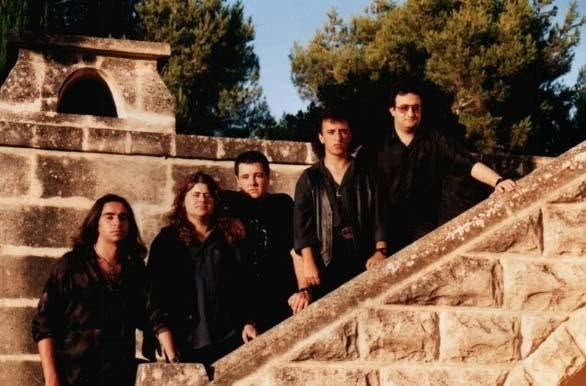
Forsaken embraced this environment and began performing outside Malta, bringing their music to audiences across Europe. Their early tours helped establish relationships with musicians, promoters and fans who would continue to support the band throughout their career.
These performances were particularly significant because Malta’s geographic location presented unique challenges. Unlike bands from countries with established touring circuits, Maltese musicians had to overcome the additional difficulties of travelling from an island nation. Every overseas appearance required greater planning, financial commitment and determination.
However, these obstacles also strengthened Forsaken’s reputation. Their willingness to travel and perform demonstrated that they were not merely a local act but a band with genuine international ambitions.
During this period, Forsaken continued refining their sound. The early doom influences became increasingly dominant, while elements of progressive metal, classical music and traditional heavy metal remained part of their identity. The band was developing the style that would eventually place them among the respected names of epic doom metal.
The arrival of Evermore and the evolution of Forsaken

The next major chapter in the band’s story came with the release of their debut full-length album, Evermore, in 1997.
The album represented a significant step forward. While Virtues of Sanctity had introduced Forsaken’s potential, Evermore demonstrated a mature and confident band capable of creating a complete artistic statement.
The album expanded upon the foundations established by the EP, delivering longer compositions, richer arrangements and a stronger sense of atmosphere. It showcased the band’s ability to balance crushing doom riffs with memorable melodies and dramatic songwriting.
At the centre of Forsaken’s music was always a sense of grandeur. Their songs were not simply collections of riffs; they were journeys. The band created musical landscapes where every section served a purpose, building tension and emotion through carefully structured compositions.
Albert Bell’s lyrical contributions became increasingly important during this period. His writing explored historical and philosophical themes, often drawing inspiration from ancient cultures, religious symbolism and humanity’s ongoing struggle between hope and despair.
The combination of powerful musicianship and intellectual depth helped separate Forsaken from many of their contemporaries. They were a doom metal band, but they were also storytellers.
Part 2 – From tragedy to triumph: forging the epic doom legacy - 24th August 2026
Part 3 – A legacy carved in stone: the enduring power of Forsaken - 31st August 2026


I still remember the day when Albert picked me up in his car en route to our garage in st Julian’s where I told him my suggestion for the new moniker for our band that came out of nowhere in the shower ( inspired obviously by one of the most poignant moments in the Bible), and we went on to to suggest the new name to the rest of the crew. Little did I know at the time what a seminal moment that was for the band and how this name would become synonymous with one of the most influential and established Doom metal bands in the international underground circuit for thirty four years since that day! Well done guy…