
When the World Went Silent: Maltese Musicians During the COVID-19 Years

During the dreaded two years of the COVID-19 pandemic the world came to an abrupt standstill. Concert halls, bars, clubs and theatres closed almost overnight, leaving musicians and artists without stages on which to perform. For many in the music industry this sudden halt meant not only the loss of income but also the disappearance of the creative environment that sustains artistic expression. The period proved difficult both physically and mentally for countless musicians around the world. Some artists and bands struggled to continue their careers, while others stepped away completely as the possibility of live performance vanished and record releases slowed dramatically.

With the global entertainment industry effectively paused, musicians were forced to rethink how they could continue creating and sharing their work. The internet quickly emerged as the primary solution. From bedrooms, rehearsal rooms and home studios, artists began streaming performances and recording videos that could be shared with audiences online. What started as isolated livestreams soon developed into coordinated virtual events where musicians collaborated across borders, performing for audiences who watched from their homes. The digital space became a substitute stage, allowing music to survive despite the absence of traditional venues.
In Malta one of the first artists to experiment with this new format was the black metal project Saħħar. On 20 March 2020, only days after pandemic restrictions began affecting daily life, the artist recorded a studio performance titled Nocte In Ruinis – Live In Studio. The session was filmed live from his studio and later released on Bandcamp and YouTube on 1 June 2020.

The performance captured the raw intensity of the project in a stripped-down setting and featured a full live set of songs including “Introduction to Ruin,” “L-Irmied Tal-Ħaruf,” “Tibla’ L-Ostja,” “Meta Ggarfet L-Aħħar Ġebla Tal-Imnajdra,” “Agħtihom Il-Mistrieħ Li Ma Ħaqqhomx,” “Awtopsja,” “Rituale a Cornibus,” “Pjanetaċidju,” and a cover of “Desolate Funeral Chant” originally by Inquisition. The release demonstrated how musicians could continue producing content despite the absence of live audiences, using digital platforms as a means to remain active.
Later that year Saħħar also participated in Slay At Home Festival, the first virtual metal and arts festival of its kind. The event was organised by Frank Godla of Metal Injection and aimed to raise funds for charitable organisations such as MusiCares and GlobalGiving. For this event Saħħar performed three songs: “Intro – Qilla tal-Qrun,” “Rituale a Cornibus,” and “Stigma Diabolicum,” bringing Maltese black metal to a global online audience.

The use of online platforms was not limited to the metal scene. Musicians across different genres in Malta adopted similar approaches. In June 2020 jazz vocalist Nadine Axisa released a home-recorded performance of the classic jazz standard All or Nothing at All accompanied by double bassist Oliver Degabriele. The video, recorded during social-distancing restrictions, reflected the intimate atmosphere of musicians performing from their homes rather than concert stages. Axisa described the recording as a simple vocals-and-bass duo session, thanking Degabriele for accompanying her on double bass during those uncertain times.
The timing of the video was particularly notable as it followed the release of her album Il‑Ħoss tal‑Għabex, which had been launched only a few months before the pandemic began. The album’s promotion and performances were inevitably affected by the global shutdown. Nevertheless, Axisa eventually returned to the stage in early 2023 with performances of the album’s material in cities including Vienna, Cairo and Valletta, demonstrating the eventual revival of live music.

Other Maltese bands followed similar paths by creating recorded performances in rehearsal spaces. The indie rock band Divine Sinners produced a filmed 'concert' titled “The Gig No One Asked For,” recorded in the band’s rehearsal room on 19 December 2020. The performance included twelve songs such as “Vacation,” “Better Day,” “I Love You,” “Golden Rain,” “Concrete Parachute,” “Thanks for Nothing,” “Revenge of the Hedgehog,” “Sheep,” “Vinegar,” “Lost in Pompeii,” “Carry On,” and “Another Lonely Christmas.”
Interestingly, two songs from this rehearsal-room concert, “Revenge of the Hedgehog” and “Sheep,” would later appear on the band’s fourth full-length album 'Count Your Blessings', released in 2025. In this way the improvised digital performances of the pandemic period became stepping stones for future studio releases.
Perhaps one of the most ambitious Maltese initiatives during the pandemic was Grim Fest 2021, organised by booking agent Nick Grima. Held virtually on 14 August 2021 and streamed on YouTube, the festival brought together twenty-two bands from across the world. The event was presented by Matt Bacon, produced by Nick Grima Management and Booking, and edited by Marton Saliba of Terrier Sound Studio. Public relations were handled by Keith Morash of Infecting Cells PR and Leo Heresy of Heresy Metal Media.

The lineup reflected the global nature of the online metal community, featuring bands from Europe, Latin America and beyond. Among the participating artists were Ghost on Mars, Aether, Ephemeral, Æolian, Black Therapy, Moonshade, and Re‑Armed.
The festival also featured Maltese acts such as Upper Lip, Align the Tide, Forsaken, MartYriuM, and Saħħar. Additional international bands included Jet Jaguar, White Walls, Abyzz, Tortharry, Satarial, Two Face Sinner, Tableau Mort, Gorilla Monsoon, and Necronomicon. Celebrity messages from prominent figures across the metal scene accompanied each performance, reinforcing the sense of international solidarity among musicians during the pandemic.
The pandemic also inspired many artists to create more personal recordings. Maltese musician Mark Tonna recorded several acoustic performances that he shared online. One notable video was his rendition of The River, performed without vocal effects or studio enhancements. In introducing the performance he explained that the song felt particularly appropriate during such difficult times and that he wished to present it in a raw and honest form.

Tonna also performed the Maltese song “Poeta Bla Kliem,” written for him by Mark Scicluna and Emil Calleja Bayliss. His series of online performances continued with the song “Fl-Ort tal-Getsemani,” originally written for the musical Mill‑Jasar għall‑Qawmien, and a Maltese version of the Lord’s Prayer performed on Good Friday. The series concluded with a heartfelt rendition of Piazza Grande, shared through his Facebook page.
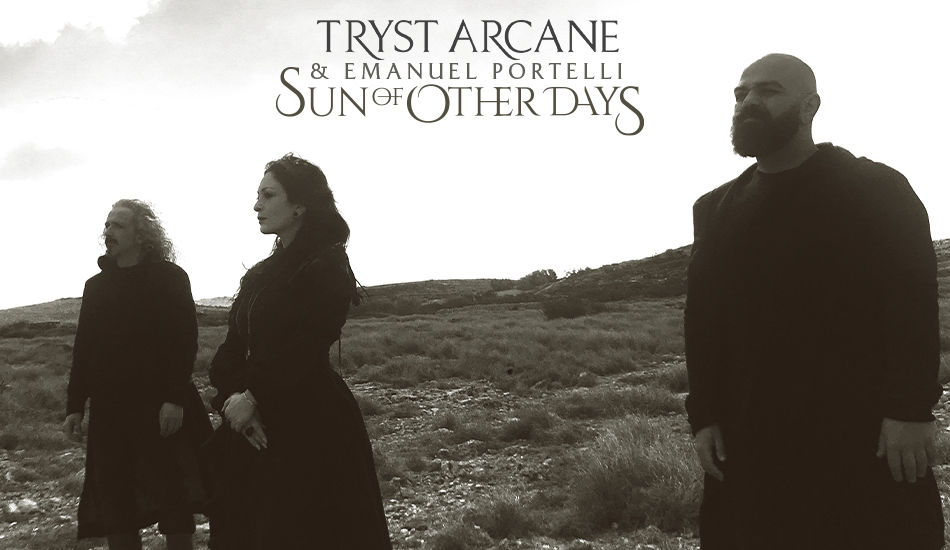
The pandemic also produced stories of perseverance among musicians who faced the virus personally. Maltese composer Emanuel Portelli was among the early COVID-19 patients in Malta. While recovering at home he used the time to compose and record several new musical ideas. One of these compositions was later developed further by Julian Grech and eventually became part of the album Sun of Other Days by Tryst Arcane and Emanuel Portelli, released in 2023. This transformation from a lockdown demo to a finished album track illustrates how creative sparks born during isolation could later evolve into fully realised works.
The COVID-19 pandemic marked one of the most challenging periods for the global music industry. With live performances suspended and venues closed, musicians were forced to adapt rapidly to a world where the stage had moved online. In Malta, artists across multiple genres responded with creativity and determination. From Saħħar’s early studio performance and participation in global virtual festivals to Nadine Axisa’s intimate jazz recordings, Divine Sinners’ rehearsal-room gig, the international GRIM FEST, and the personal acoustic videos of Mark Tonna, the Maltese music community found ways to remain active despite unprecedented obstacles.
These digital performances not only helped artists maintain a connection with their audiences but also created a unique archive of music produced under extraordinary circumstances. Some of the ideas recorded during lockdown would later develop into full albums and future performances, demonstrating that creativity can thrive even during periods of isolation. When live concerts eventually returned, the music created during the pandemic remained as a testament to the resilience of artists who refused to let silence define those difficult years.
Further reading: Silence and Revival: Malta’s Music Scene During and After COVID-19
Links to recording:
Saħħar : Nocte In Ruins - Bandcamp
Nocte In Ruins - YouTube
Slay At Home Festival - Bandcamp
Slay At Home Festival - YouTube
Nadine Axisa & Oliver Degabriele: All Or Nothing At All - YouTube
Divine Sinners: The Gig No One Asked For: YouTube
Mark Tonna: Piazza Grande (Lucio Dalla) - Facebook
Missierna - Facebook
Fl-Ort tal-Getsemani - Facebook
Poeta Bla Kliem - Facebook
The River (Garth Brooks) - Facebook
Tryst Arcane & Emanuel Portelli: Sun of Other Days - Spotify


Comments